Supporting Improved Scar Management – Expert Commentary
Area
Daily UseScars are a natural part of healing, but that doesn’t make them any easier to live with – whether they’re a cosmetic concern or an emotional one. In this expert commentary, Amit Saha, Registered Pharmacist and Head of Technical & Innovation at LaCorium Health, explains why scars form, why early intervention matters, and how silicone-based treatments can help improve their appearance over time.
Key Takeaways
- A Natural Process: Scars are a natural part of the skin’s healing process following injury, but for many people they can become a lasting cosmetic or emotional concern. They can be caused by surgery, burns, acne or trauma, and may appear raised, discoloured, itchy or uneven.
- Early Intervention is Key: Once a wound has fully closed, topical silicone therapy is widely regarded as a first-line approach to improve the appearance and texture of a scar.
- Two Formats to Suit You: Silicone treatments come as gels and patches. The right choice depends on the location and size of the scar, as well as your lifestyle and personal preference.
What are scars and why do they form?
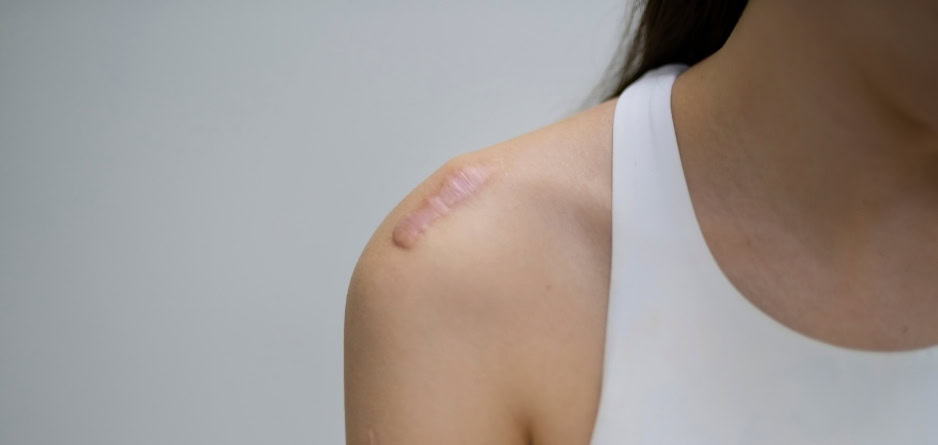
Scars are a natural part of the skin’s healing process following injury, yet for many people they can become a lasting cosmetic or emotional concern. Caused by surgery, burns, acne or trauma, scars may appear raised, discoloured, itchy or uneven.
While scars rarely disappear completely, it is possible to improve their appearance and texture over time with the right approach.
Why does early intervention matter?
Early intervention is key. Once the wound has fully closed, topical silicone therapy is widely regarded as a first-line approach to improve appearance and texture. Silicone-based treatments help maintain hydration within the scar tissue, soften and flatten raised scars, and reduce redness and itchiness associated with healing.
Should I choose a silicone gel or a silicone patch?
Silicone products are available in two formats: gels and patches. Selection depends on the location and size of the scar, as well as lifestyle and personal preference. Patches offer prolonged contact time and are typically worn for 12–20 hours daily on fully healed skin. Their reusable design also provides a cost-effective option for long-term scar management, and the manual application of pressure may also help to flatten raised scars.
With strong evidence supporting silicone-based therapies, products such as Dermal Therapy Scar Treatment Silicone+ Gel and Silicone+ Scar Patch provide practical options. If you’re unsure which is right for you, your pharmacist or GP can offer guidance.
Dermal Therapy Scar Treatment Range
For an effective, evidence-based approach to scar management, the Dermal Therapy range offers two silicone-based options to suit different scars and lifestyles.
Dermal Therapy Scar Treatment Silicone+ Gel
- For New and Old Scars: Powered by Silicone+ technology, a blend of silicones formulated to soften, flatten and fade both new and old scars.
- Supports Skin Regeneration: Enriched with Vitamin E and Vitamin C to support skin regeneration and hydration, and helps reduce redness and discolouration.
- Easy to Apply: A transparent, fast-drying formula with a unique precision applicator. Once dry, it can be covered with sunscreen, cosmetics, pressure garments or casts.
Dermal Therapy Silicone+ Scar Patch
- Softens and Flattens: Made with medical-grade silicone to help improve the texture of scars, making them softer and flatter, while lightening the appearance of discolouration.
- Washable and Reusable: Each patch can be used for up to 4 weeks – simply wash gently and reapply, making it a cost-effective option for long-term scar management.
- Easy to Use: Apply to clean, dry skin over a fully healed scar. For optimal results, wear for a minimum of 12 hours per day.
Both products are for use on fully healed skin only and should not be applied to open or unhealed wounds. Always read the label and follow the directions of use.
Relevant articles
- Acne Control That Works With Your Skin, Not Against It – Expert Insights
- How to Prevent Acne Scars & Pigmentation – Expert Commentary
- Silicone Gels for Scar Treatment – Expert Commentary
- Do Pimple Patches Actually Work? A Dermatologist Explains
FAQs for Supporting Improved Scar Management