The Complete Guide to Oncology Skincare: Causes, Concerns, Treatment and Care

Area
Managing skin changes during cancer treatment is one of the harder, less talked-about parts of the journey. While your focus is naturally on your medical care, the side effects of therapy can take a toll on your daily comfort and self-image.
This guide helps you recognise why skin changes happen and how to manage them with gentle, protective care. We’ll cover the biology behind these skin shifts, identify common concerns like rashes, and walk you through a gentle, supportive approach to skincare during chemotherapy.
Key Takeaways
- Chemotherapy affects healthy cells: It targets rapidly dividing cells, which includes cancer cells but also healthy skin cells, hair follicles, and nail beds.
- Common concerns are manageable: Issues like extreme dryness, rashes, and sensitivity can be supported with a gentle daily routine.
- Choose gentle formulations: Using fragrance-free, soap-free, and clinically tested products is the safest choice for your skin.
- Consult your oncology team: Always verify any new skincare product or lifestyle change with your healthcare provider before use.
How oncology skincare helps when chemotherapy affects your skin
Chemotherapy is designed to target rapidly dividing cells. While highly effective at targeting cancer, this treatment also impacts healthy cells in your hair, nails, and skin. This progressive disruption weakens your skin barrier and reduces natural oil production, making supportive oncology skincare vital for your comfort.
According to Cancer Council Australia, skin and nail changes are among the most commonly reported side effects of chemotherapy treatment. When these healthy skin cells are affected, your skin loses its natural ability to produce protective lipids and retain moisture, which can lead to several noticeable side effects:
- Dryness and flaking. Reduced natural oil production means your skin loses its elasticity, often feeling tight, rough, and uncomfortable.
- Redness and inflammation. This is your body’s natural response to the treatment medications circulating in your system.
- Increased sensitivity. Your skin can become highly reactive to products, fabrics, and environmental factors it previously tolerated without any issues.
- Rashes and itching. This is one of the most common and frustrating side effects, which can worsen significantly if scratched or irritated.
To explore this topic further, you can read our detailed guide to chemotherapy’s impact on skin health.
What does a chemo rash look like and what causes it?
Developing a chemo rash is a common side effect that often appears as redness, small bumps, or dry, blotchy irritation on your face, chest, back, and scalp. It’s an inflammatory response to your treatment drugs and doesn’t mean your therapy is failing.
Peer-reviewed research published in the Journal of Clinical Oncology has documented that dermocosmetic products (gentle, clinically formulated skincare) play a meaningful role in managing treatment-related skin reactions and supporting patient comfort.
While gentle, fragrance-free skincare supports your comfort, it doesn’t cure a medical rash. You should keep the area clean, completely avoid scratching, and report any spreading or painful chemotherapy and skin rash to your healthcare team immediately.
Building a gentle oncology skincare routine
When you’re undergoing treatment, a simple and consistent routine is far more effective than a complicated one. The goal isn’t complex or high-strength. It’s to protect your skin barrier, lock in hydration, and avoid anything that causes further irritation. This daily routine is designed to help you maintain comfort and manage extreme dryness.
Your Morning Routine
Step 1: Gentle Cleansing
Wash your face and body with a soap-free, fragrance-free cleanser using lukewarm water, as hot water strips away your skin’s natural oils. Gently apply the wash in soft, circular motions with your hands, avoiding rough washcloths. When you’re finished, rinse thoroughly and pat your skin dry with a soft towel instead of rubbing. One option worth discussing with your oncology team is Dermal Therapy Sensitive Skin Wash, which is free from soap, SLS, and artificial fragrances.
Step 2: Hydrate Immediately
Apply a deeply hydrating, fragrance-free lotion within three minutes of washing while your skin is still slightly damp. This helps to lock in the water and prevent evaporation. Focus on areas that are especially prone to dryness, such as your hands, elbows, and lower legs. You can pair your wash with Dermal Therapy Sensitive Skin Lotion from our clinically tested Sensitive Skin range to provide a complete, non-irritating routine.
Step 3: Sun Protection
Many chemotherapy drugs make your skin highly sensitive to UV light, which means you can burn much faster than usual. Apply a broad-spectrum SPF 50 plus sunscreen every single morning, even if you’re staying indoors near windows. Choose a sunscreen formulated specifically for sensitive skin to prevent stinging and redness.
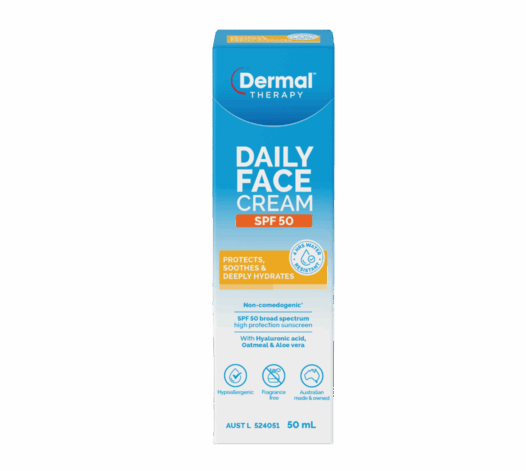
Dermal Therapy Daily Face Cream SPF 50 is a moisturising sunscreen that provides broad spectrum protection while keeping your skin hydrated and comfortable.
Your Evening Routine
Step 1: Gentle Cleansing
Repeat your gentle morning cleanse to remove any sweat, dust, or environmental impurities that have gathered on your skin during the day. Keeping the skin clean is vital for preventing secondary infections.
Step 2: Deep Moisturising
Your skin does most of its natural repair work while you sleep, making nighttime an ideal time to moisturise deeply. Apply a generous layer of your fragrance-free lotion to dry or tight areas. If your hands or feet feel particularly rough, you can apply a thick layer of lotion and wear soft cotton gloves or socks overnight to lock in the hydration.
To find more step-by-step guidance, you can read our full daily skincare routine guide for chemotherapy patients.
What to look for and what to avoid in oncology skincare during chemotherapy
Navigating the skincare aisle can feel overwhelming when your skin is highly sensitised. Focus on short ingredient lists with clear, therapeutic benefits to simplify your choice. Selecting cancer-safe skincare or a gentle chemo cream doesn’t have to be a guessing game, so here is what to look for and avoid.
Ingredients and Features to Look For:
- Fragrance-free formulas: Products that don’t contain synthetic perfumes or essential oils.
- Soap-free and SLS-free washes: Gentle cleansers that don’t use harsh foaming agents.
- Dermatologist recommended brands: Products that have been tested on sensitive skin.
- Gentle humectants: Ingredients like glycerin that draw moisture into the skin.
- Naturally derived lipids: Formulations that help support your skin’s protective barrier.
Ingredients and Features to Avoid:
- Alcohol: Denatured alcohol strips away moisture and causes immediate stinging on sensitive skin.
- Fragrances and parfum: These are the most common causes of allergic reactions and irritation.
- Sulphates (SLS and SLES): These harsh surfactants over-strip the skin and worsen dryness.
- Physical and chemical scrubs: Exfoliating beads, salicylic acid, and glycolic acid are far too aggressive for thinned, sensitive skin.
- Untested formulas: Avoid introducing new active ingredients without checking with your healthcare provider first.
Beyond skincare: additional tips for managing skin during chemotherapy
Simple lifestyle adjustments alongside your topical routine can make a significant difference to your daily comfort.
- Stay hydrated: Drink plenty of water or follow the fluid guidelines provided by your medical team to support hydration from within.
- Choose breathable fabrics: Loose clothing made from cotton or bamboo prevents friction and sweat irritation on sensitive skin.
- Use a humidifier: Keeping indoor air moist prevents dry heating or air conditioning from stripping your skin’s natural moisture overnight.
- Avoid hot showers: Lukewarm water is the rule throughout treatment, as hot water strips natural oils and worsens dryness.
- Acknowledge the emotional toll: Skin changes affect your confidence, so connecting with support networks like Cancer Council Australia can provide vital comfort.
When to speak to your healthcare provider
A gentle daily routine supports your comfort, but it is not a substitute for medical treatment. You must report any new, painful, or worsening skin changes to your oncology team immediately. Healthdirect Australia advises that any persistent or severe skin reactions during chemotherapy should be discussed with your treatment team promptly.
Supporting your skin with gentleness
Managing your skincare is a small but meaningful way you can maintain comfort and take control of your daily routine. Dermal Therapy’s Sensitive Skin range is designed with the gentlest ingredients to support skin that needs extra care during treatment. You can visit our Knowledge Hub for more expert advice on skin health, and always remember to discuss any new product with your oncology team before first use.
FAQs
References:
- Cancer Council Australia. Skin and Nail Changes.
- Healthdirect Australia. Chemotherapy.
- Dreno B, et al. Dermocosmetics in management of cancer-related skin toxicities: Journal of Clinical Oncology.