Acne Control That Works With Your Skin, Not Against It – Expert Insights

Area
Acne
- Effective acne management doesn’t mean harsh treatment – gentler, multi-functional formulations that protect the skin barrier can control breakouts while reducing dryness, irritation, and post-acne damage
- Acne looks different across age groups, and so should the approach – teenagers and adults benefit from tailored strategies that account for hormonal differences, skin sensitivity, and long-term skin health
- Simple, consistent routines outperform complicated ones – overusing actives, over-cleansing, and skipping moisturiser are among the most common mistakes, and avoiding them can significantly improve outcomes
- Early intervention matters – addressing acne sooner reduces the risk of scarring, supports mental wellbeing, and gives over-the-counter treatments the best chance of working before a GP or dermatologist referral becomes necessary
Managing acne effectively comes down to more than just treating breakouts – it’s about supporting the skin barrier, building consistent habits, and choosing the right products for your skin’s needs.
Amit Saha, Head of Technical & Innovation at LaCorium Health, shares his expertise on how Dermal Therapy acne control products are formulated to do exactly that, balancing proven actives with gentle, barrier-supportive ingredients to deliver real results without compromising skin health.
How do Dermal Therapy products balance efficacy with skin protection for people with acne?
Dermal Therapy acne control products balance efficacy with skin protection by using gentler, multi-functional formulations that treat acne without disrupting the skin barrier. Instead of relying on harsh, drying actives, we incorporate milder exfoliants, sebum-regulating ingredients, and antibacterial agents to control breakouts while minimising irritation.
At the same time, we include hydrating and soothing components like hyaluronic acid, niacinamide, and aloe vera to support the skin’s moisture balance and reduce inflammation.
By maintaining the skin barrier and microbiome, and promoting a simple stepwise routine, these products effectively manage acne while lowering the risk of dryness, sensitivity, and post-acne damage.
Do acne treatments differ for various age groups, from teens to adults?
Acne treatments do vary between teenagers and adults, even though both experience the same underlying condition. In teenagers, acne is mainly driven by puberty-related hormones that increase oil production, so treatment typically focuses on stronger, oil-controlling products and active ingredients.
In contrast, adult acne is often influenced by hormonal fluctuations, stress, and slower skin healing, so management tends to be more holistic and gentler, combining lower-strength topical treatments with options like hormonal therapies and ingredients that protect the skin barrier and reduce pigmentation.
Overall, while the same core treatments are used across age groups, teenagers benefit from simpler, more aggressive oil-control approaches, whereas adults require more balanced strategies that address sensitivity, hormones, and long-term skin health.
What are the most common mistakes people make when treating acne, and how can they be avoided?
One of the most common errors is overusing or combining too many active ingredients (like benzoyl peroxide and retinoids at high frequency), which can irritate the skin and damage the barrier – this can be avoided by introducing treatments gradually and keeping routines simple.
Another frequent mistake is over-cleansing or using harsh scrubs, which strips natural oils and triggers more oil production; using a gentle cleanser twice daily is more effective. Many people also pick or squeeze pimples, increasing the risk of scarring and infection, so lesions should be left alone or treated with appropriate spot treatments. Inconsistent use of medication is another issue – acne treatments take weeks to work, so sticking to a routine is essential.
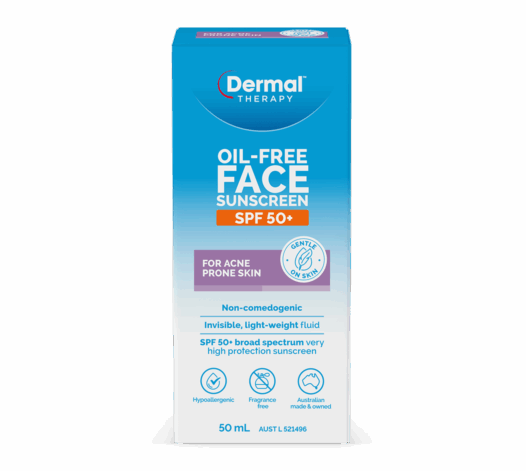
Additionally, consumers often skip moisturiser or sunscreen, fearing they worsen acne, but non-comedogenic products support skin healing and prevent irritation and pigmentation. By using fewer, appropriate products consistently and focusing on gentle care, these common mistakes can be avoided.
How important is early intervention in acne management, and what role can pharmacy teams play in supporting this?
Early intervention in managing acne is very important because it can prevent progression to more severe acne, reduce the risk of permanent scarring, and improve long-term skin outcomes. Treating acne at an early stage helps control inflammation and break the cycle of clogged pores and bacterial growth before it becomes harder to manage. It also has a significant impact on a person’s confidence and mental wellbeing, as untreated acne can contribute to distress and low self-esteem.
Pharmacy teams play a key frontline role in supporting early intervention. They are often the first point of contact, making them well positioned to recognise early signs of acne and recommend appropriate over-the-counter treatments. Pharmacists can also educate patients on correct product use, emphasise the importance of consistency, and help set realistic expectations about how long treatments take to work. Importantly, they can identify when acne is moderate to severe or not responding and refer patients to a GP or dermatologist for prescription therapies.
How do you support pharmacy staff with education and training to ensure they feel confident recommending acne solutions?
At Dermal Therapy, supporting pharmacy staff to confidently recommend solutions for acne involves a practical, product-focused, and confidence-building training approach. Education typically starts with clear, concise modules on acne fundamentals and how the Dermal Therapy acne range works, emphasising its gentle, barrier-supportive formulations that ticks all the boxes in acne management, so staff understand both the science and the point of difference.
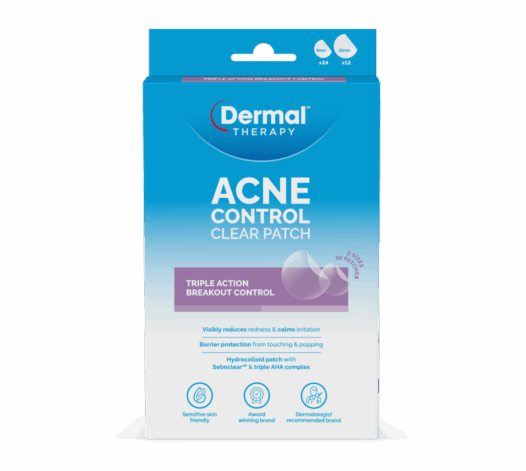
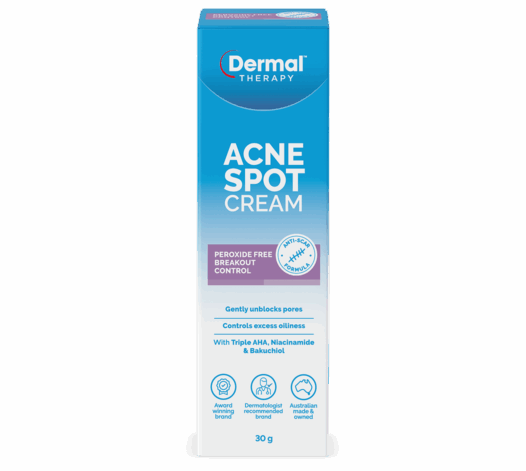
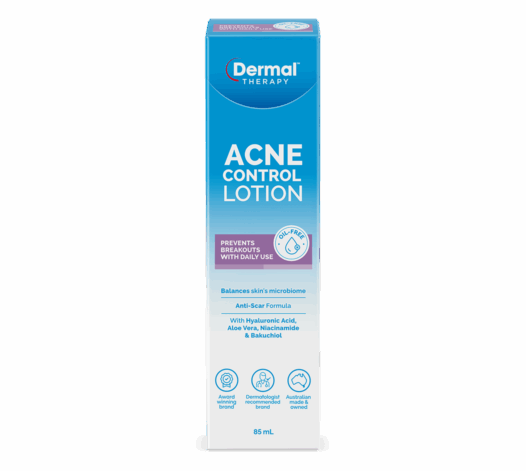
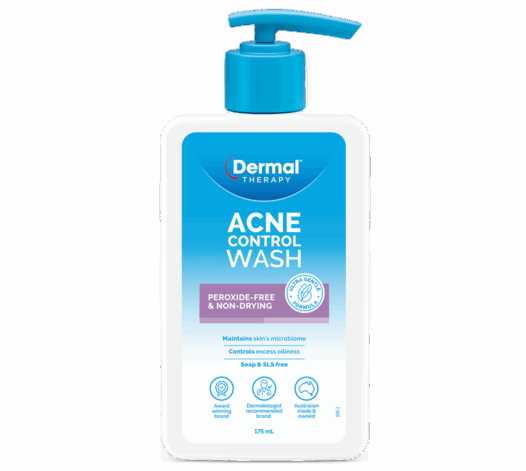
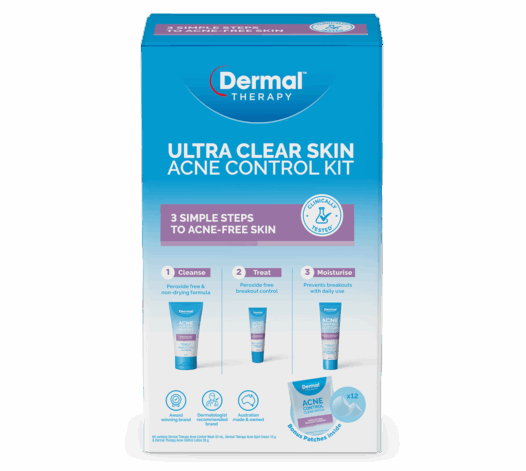
Ready to take control of your skin? Learn more about the Dermal Therapy acne control range – formulated to treat breakouts while protecting your skin barrier. Discover the Acne Spot Cream, Acne Control Lotion, Acne Control Wash, Acne Control Kit, and the new Acne Control Clear Patch and find the right product for your routine.