Understanding the Causes of Cold Sores: What You Need to Know
Area
Key Takeaways
- Cold sores are caused by the herpes simplex virus (HSV-1) and can be triggered by factors like stress, sun exposure, and illness.
- Identifying your personal cold sore triggers can help reduce the frequency of outbreaks.
- Quick treatment at the first sign of symptoms—like tingling or itching—can significantly improve recovery time.
- Dermal Therapy Cold Sore Lysine+ Gel offers triple-action relief and promotes healing with a discreet, clear formula.
Cold sores are a common and often frustrating condition caused by the herpes simplex virus (HSV-1). Despite how common they are, there is still a lot of misinformation about what triggers cold sores and how they can be managed. Understanding the causes of cold sores can empower you to take proactive steps to prevent outbreaks and manage symptoms effectively.
In this guide, we’ll explore cold sore causes, their triggers, and how you can reduce the frequency and severity of outbreaks.
What Are Cold Sores?
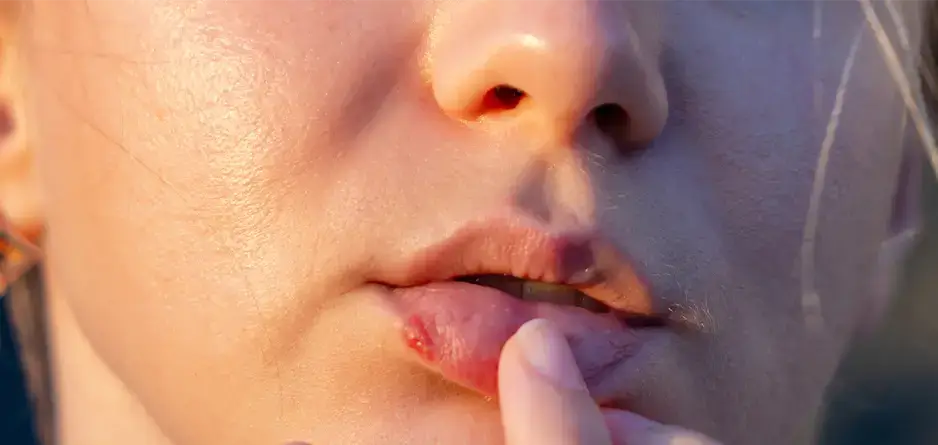
Cold sores, also known as fever blisters, are small, fluid-filled blisters that typically appear around the lips or mouth. They are caused by the herpes simplex virus type 1 (HSV-1), although in some cases, they can also be caused by HSV-2, which is more commonly associated with genital herpes. Once infected, the virus remains in the body for life, lying dormant in nerve cells and reactivating under certain conditions.
To better understand how cold sores develop, check out our article on the life cycle of a cold sore.
Primary Causes of Cold Sores
The primary cause of cold sores is the herpes simplex virus type 1 (HSV-1). The virus is highly contagious and spreads through direct contact with an infected person. This can include:
- Kissing: The virus can easily transfer through close contact with an infected individual.
- Sharing Utensils: Using the same cutlery, glasses, or other personal items as someone with an active cold sore.
- Skin-to-Skin Contact: Touching the affected area and then touching your own face or lips can spread the virus.
Once HSV-1 enters the body, it travels to the nerve cells, where it remains dormant until reactivated by specific triggers.
Common Cold Sore Causes & Triggers
While the virus itself causes cold sores, certain factors can trigger an outbreak. Understanding these triggers is essential for managing and preventing future occurrences.
1. Stress
High levels of stress can weaken your immune system, making you more susceptible to cold sore outbreaks. Practicing stress management techniques such as mindfulness, yoga, or meditation can help.
2. Sun Exposure
Prolonged exposure to ultraviolet (UV) rays can trigger cold sores in many individuals. Protect your lips with an SPF lip balm to minimise the risk. Learn more about protecting your lips in our guide to lip SPF and sun damage.
3. Hormonal Changes
Hormonal fluctuations, such as those occurring during menstruation, pregnancy, or menopause, can trigger cold sore outbreaks in some people.
4. Illness or Fatigue
A weakened immune system due to illness or lack of sleep can allow the virus to reactivate. Maintaining a healthy lifestyle can reduce your risk.
5. Weather Extremes
Cold, dry weather or hot, humid conditions can irritate the skin and trigger an outbreak.
6. Dietary Factors
Certain foods, such as chocolate, nuts, and foods high in arginine, can sometimes act as triggers. Monitoring your diet and identifying potential culprits can be helpful.
Preventing Cold Sores
While there’s no cure for cold sores, you can take proactive steps to reduce their frequency and severity:
- Strengthen Your Immune System: Eat a balanced diet, exercise regularly, and get enough sleep to keep your immune system robust.
- Avoid Triggers: Identify and minimise exposure to your personal triggers, whether it’s stress, sun exposure, or certain foods.
For a deeper dive into prevention strategies, read our article on cold sore prevention and relief with lysine.
How to Manage Cold Sores Effectively
If you feel the first signs of a cold sore, such as tingling or itching, acting quickly is key. Here are some steps you can take:
- Apply a targeted treatment like Dermal Therapy Cold Sore Lysine+ Gel. Its unique triple-action formula soothes irritation, reduces discomfort, and promotes healing. It also speeds up healing at every stage of the cold sore.
- Keep the Area Clean Gently wash the affected area with mild soap and water to prevent secondary infections and support faster healing.
- Avoid Touching the Cold Sore Refrain from picking or touching the sore to avoid spreading the virus to other areas or to other people.
- Stay Hydrated and Rested Drinking plenty of water and getting enough rest can boost your immune system and speed up recovery.
For more information on choosing the right cold sore treatment, read our comparison of cold sore cream vs. gel.
Why Choose Dermal Therapy Cold Sore Lysine+ Gel?
Dermal Therapy Cold Sore Lysine+ Gel is Australia’s first clear lysine-based topical gel, offering effective relief at every stage of a cold sore outbreak. Here’s why our cold sore cream is a game-changer:
- Triple-Action Relief: Combines lysine, propolis, and lemon balm to target cold sores effectively.
- Clear Gel Formula: Unlike creams that leave a visible white residue, this transparent gel ensures discreet application.
- Soothing Protection: Enriched with menthol and camphor to calm irritation and shield the affected area.
- Promotes Healing: Supports recovery at every stage of the cold sore lifecycle.
Understanding the causes and triggers of cold sores is the first step in managing this common condition. By taking preventative measures, identifying your personal triggers, and using effective treatments like Dermal Therapy Cold Sore Cream, you can significantly reduce the impact of cold sores on your daily life.
Remember, a proactive approach is key. Stay informed, take action at the first sign of symptoms, and prioritise self-care to keep cold sores at bay. For more information about cold sore causes and treatments, visit our cold sore conditions page.
References
- NHS Inform. (2023). Cold sores.
- American Academy of Dermatology Association (2025) Cold sores: Signs and symptoms
- Johns Hopkins Medicine – Cold Sores