Why Menopause Causes Dry, Itchy Skin (And What Helps)

Area
Daily UseKey Takeaways:
- Estrogen is a moisture regulator: As estrogen levels drop, your skin loses its ability to produce natural oils and retain water, leading to chronic dryness.
- The “itch” has a name: Menopausal pruritus is the medical term for the itching sensation caused by hormonal shifts and a thinning skin barrier.
- Barrier function is compromised: A decrease in lipids and ceramides makes the skin more vulnerable to environmental irritants.
- Targeted topicals are essential: To manage itch and dryness, you need ingredients that both hydrate (like urea) and soothe (like colloidal oatmeal).
If you’ve suddenly found yourself dealing with skin that feels tight, flaky, or has an itch you just can’t seem to scratch, you aren’t alone. While hot flushes often steal the spotlight, dry and itchy skin is one of the most common, and most frustrating, symptoms of the menopausal transition.
We understand that this isn’t just a minor “cosmetic” inconvenience; it’s a biological shift that affects your comfort and quality of life. By understanding why your skin is behaving differently, you can take control with clinically tested solutions that provide real relief.
Why does estrogen loss lead to such intense dryness?
Estrogen is vital for the health of your sebaceous glands, the glands responsible for producing sebum (your skin’s natural oil). During menopause, as estrogen production slows, sebum production drops significantly. Without this oily “seal,” your skin’s internal moisture evaporates much faster, a process known as Transeural Water Loss (TEWL).
Estrogen stimulates the production of Hyaluronic Acid in the dermis. When levels fall, the skin loses its natural “plumpness” and water-holding capacity. This results in the “crepey” texture and persistent tightness that many women experience. Learn more in our Menopause & Skincare Guide.
What is “Menopausal Pruritus” and why does it itch so much?
Have you ever felt like there are ants crawling on your skin, or experienced a deep itch without any visible rash? This is often referred to as menopausal pruritus. As the skin thins and dries out, the nerve endings located just beneath the surface become more exposed and easily irritated.
This thinning (atrophy) of the skin means that even minor friction from clothing or a change in temperature can trigger a significant itch response. This is often exacerbated by a lack of moisture, which makes the skin’s surface “brittle.” To understand how this sensitivity interacts with other conditions, see our article on Sensitive Skin During Menopause: Causes, Triggers and Care Tips.
How does a weakened skin barrier trigger the “itch-scratch cycle”?
Your skin barrier is like a brick wall, with skin cells as the bricks and lipids (fats) as the mortar. Menopause causes the “mortar” to crumble. With fewer lipids and ceramides, the barrier becomes “leaky.” Irritants get in, and moisture gets out.
Once the skin becomes irritated, the natural instinct is to scratch. However, because menopausal skin is thinner and more fragile, scratching can easily cause micro-tears, leading to further inflammation and even more itching. This “itch-scratch cycle” can be particularly difficult for those already prone to conditions like dermatitis. Learn more in our guide: Menopause, Eczema and Psoriasis: Why Flare-Ups Can Worsen.
What can you do to soothe menopausal itch immediately?
While long-term hydration is key, sometimes you need relief now. When the itch becomes unbearable, traditional moisturisers may not be enough. You need specific ingredients that address the nervous system’s itch response while simultaneously repairing the barrier.
Look for formulations containing Colloidal Oatmeal, which is clinically tested to soothe redness and irritation, and Menthol, which provides a cooling sensation that “distracts” the nerves from the itch signal. For a full breakdown of what to look for and what to avoid check out Best Skincare Ingredients for Menopausal Skin.
The Dermal Therapy Menopause Relief Routine
To effectively manage menopausal dryness and itch, you need a two-pronged approach: intensive daily hydration and targeted itch relief.
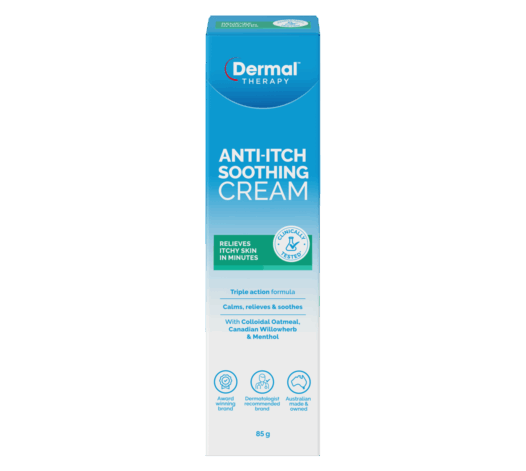
- For Instant Itch Relief: Dermal Therapy Anti-Itch Soothing Cream is a steroid-free formulation that is clinically tested to provide relief within minutes. It uses a combination of colloidal oatmeal, menthol, and Canadian willowherb to calm the skin.
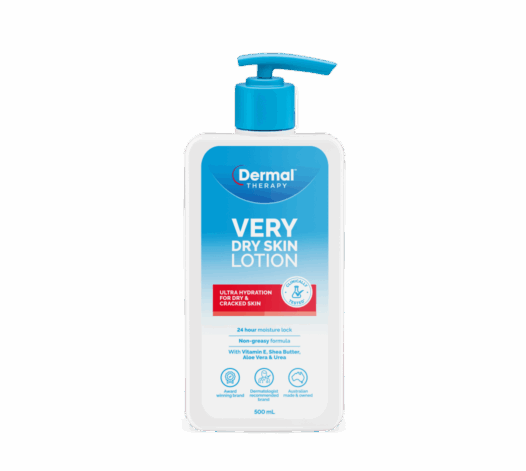
- For Daily Barrier Support: Dermal Therapy Very Dry Skin Lotion is ideal for large areas of the body. It contains 10% Urea to draw moisture deep into the skin, making it a perfect daily staple during the menopausal transition.
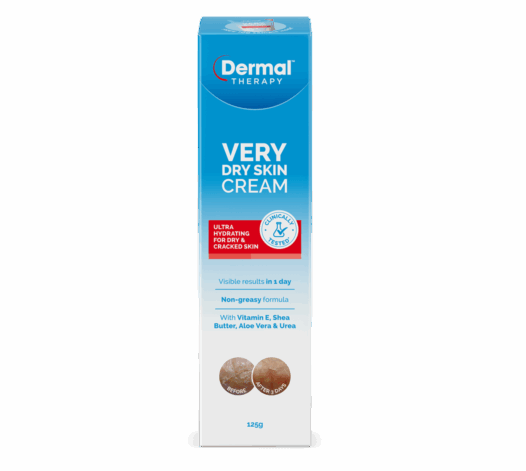
- For Stubborn, Flaky Patches: Dermal Therapy Very Dry Skin Cream offers a more concentrated 12.5% Urea formula for areas that need extra help, such as elbows, knees, and shins.
Menopause & Itchy Skin FAQs
Its steroid-free formula uses a unique blend of colloidal oatmeal, Canadian willowherb, and menthol to instantly cool the skin and calm the “crawling” sensation common during menopause. By delivering intensive moisture, it helps soothe the dryness caused by estrogen loss without the use of harsh irritants.
And for large areas or patches, or for ongoing maintenance, opt for the Dermal Therapy Anti-Itch Soothing Lotion.