Exploring the Role of Herpes Simplex Virus in Cold Sore Formation
Area
Key Takeaways
- Cold sores are caused by the herpes simplex virus (HSV-1), which remains dormant in the body and reactivates due to triggers like stress, sun exposure, and illness.
- HSV is highly contagious and can be transmitted even when no visible sores are present – making early intervention and prevention critical.
- Effective treatments include cold sore creams or gels with antiviral ingredients, oral antivirals for frequent outbreaks, and natural remedies like lysine.
- Preventing future outbreaks involves managing stress, using sun protection, strengthening immunity, and applying treatments at the first sign of symptoms.
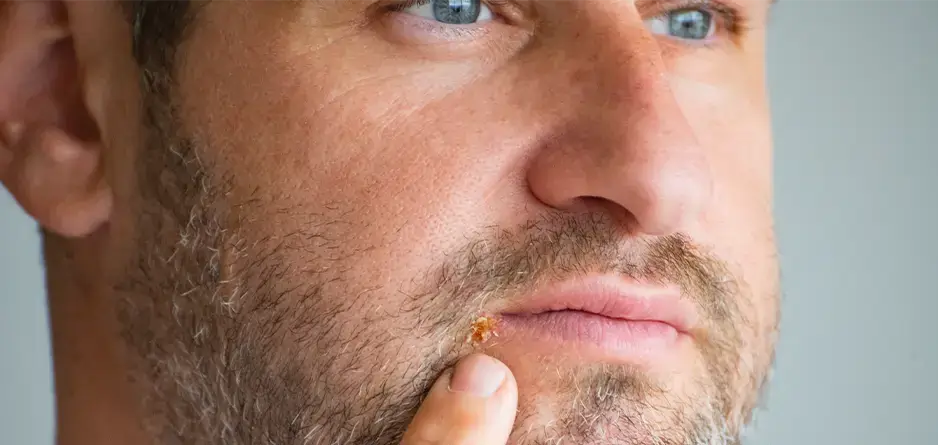
Cold sores are a common yet frustrating skin condition caused by the herpes simplex virus (HSV). These small, fluid-filled blisters typically appear around the lips and can be triggered by a range of factors, from stress to sun exposure. While cold sores often clear up on their own, understanding how HSV works, its life cycle, and how to manage outbreaks can help prevent frequent flare-ups and reduce discomfort.
In this article, we’ll take a deep dive into the role of HSV in cold sore formation, how the virus operates within the body, and effective ways to manage outbreaks, including the use of targeted treatments like cold sore creams and lysine gels.
Understanding the Herpes Simplex Virus (HSV)
The herpes simplex virus exists in two primary forms:
- HSV-1: The most common cause of cold sores, primarily affecting the mouth and lips.
- HSV-2: More commonly associated with genital herpes but can also cause oral infections.
Once HSV enters the body, it remains for life, lying dormant in nerve cells and reactivating under certain conditions. This explains why cold sores tend to recur, often triggered by stress, illness, hormonal changes, or immune system suppression.
HSV spreads through direct skin-to-skin contact, making it highly contagious. Even when no visible sores are present, the virus can still be transmitted, which is why preventative care and early intervention are essential in managing outbreaks.
For a more detailed breakdown of HSV’s life cycle, check out our article on The Life Cycle of a Cold Sore.
How Herpes Simplex Virus Leads to Cold Sores
Cold sores develop in stages, starting as a tingling sensation before evolving into blisters and, eventually, healing. Here’s how HSV triggers this process:
- Viral Activation: After lying dormant in the nerve cells, HSV can become active due to triggers like stress, sun exposure, fatigue, or illness.
- Tingling and Itching: Before a sore appears, many people experience an early warning sign—a tingling, itching, or burning sensation around the lips.
- Blister Formation: Small, painful blisters emerge, often clustered together, filled with fluid containing active virus particles.
- Ulceration and Crusting: The blisters break open, leaving behind a sore that eventually scabs over.
- Healing Phase: Over several days, the sore dries out and forms a crust or scab, which then falls off, completing the cycle.
Although cold sores typically resolve in 7–10 days, antiviral treatments and cold sore creams can help reduce the severity and duration of outbreaks.
Common Triggers for HSV Reactivation
HSV stays dormant in the body but reactivates when triggered. Understanding these triggers can help minimise the frequency of cold sores. Common triggers include:
- Stress & Fatigue: Increased cortisol levels from stress weaken the immune system, making it easier for HSV to resurface.
- Sun Exposure: UV rays can trigger an outbreak, which is why using lip balms with SPF is essential for prevention.
- Illness & Weakened Immunity: Colds, flu, and other infections put stress on the body, often leading to cold sore flare-ups.
- Hormonal Changes: Menstruation and hormonal fluctuations can increase susceptibility to outbreaks in some individuals.
- Skin Trauma: Injuries to the lips, including chapped lips or dental procedures, can reactivate HSV.
To learn more about how to prevent outbreaks, read our guide on Unlocking the Secret to Cold Sore Prevention and Relief.
Treatment Options: How to Manage Cold Sores Effectively
While cold sores can’t be permanently cured, there are effective treatments that can help speed up healing and reduce discomfort.
1. Cold Sore Creams & Gels
Using a targeted treatment at the first sign of a cold sore can help minimise its severity.
- Cold sore creams often contain antiviral agents like acyclovir, which work to slow the virus’s replication.
- Cold sore gels like Dermal Therapy Cold Sore Lysine Gel offer a natural approach, formulated with lysine to help inhibit the virus and promote faster healing.
If you’re wondering whether a cream or gel is the better option, check out Cold Sore Cream vs Gel: What’s the Difference?.
2. Oral Antiviral Medications
For severe or frequent outbreaks, doctors may prescribe oral antiviral medications like valacyclovir or acyclovir, which help reduce the duration and severity of cold sores.
3. Natural Remedies & At-Home Care
In addition to medicated treatments, natural approaches can help:
- Lysine Supplements: Lysine is an amino acid that competes with arginine, an essential nutrient for HSV replication. Taking lysine supplements may reduce outbreak frequency.
- Ice & Cool Compresses: Applying ice packs or cold compresses can help reduce pain and swelling.
- Hydration & Nutrition: A balanced diet rich in vitamins C and E can support immune health and reduce outbreaks.
Preventing Future Cold Sore Outbreaks
Although there’s no cure for HSV, taking proactive measures can help reduce the number of outbreaks you experience. Here are some key prevention tips:
- Use Sun Protection: Apply lip balms with SPF to protect against sun-triggered flare-ups.
- Strengthen Your Immune System: A strong immune system can keep HSV in check—prioritise good nutrition, sleep, and stress management.
- Manage Stress: Relaxation techniques such as meditation, deep breathing, and exercise can help lower stress levels.
- Avoid Triggers: Identify and minimise exposure to your specific cold sore triggers to prevent frequent outbreaks.
- Act Fast at the First Sign: Applying a cold sore gel or cream as soon as you feel tingling can shorten the outbreak.
Managing Cold Sores with Confidence
The herpes simplex virus plays a lifelong role in cold sore formation, but that doesn’t mean you have to suffer through constant flare-ups. By understanding HSV’s behaviour, recognising triggers, and using effective treatments, you can take control of outbreaks and reduce their impact.
For effective relief, Dermal Therapy Cold Sore Lysine Gel is designed to support healing and help stop cold sores in their tracks. Combined with good prevention habits, you can minimise discomfort and keep flare-ups at bay.
Want to learn more? Explore our Knowledge Hub for expert insights into cold sore treatment and prevention – so you can feel confident and in control of your skin health.
Visit our Amazon store to find effective cold sore treatments.
References
- World Health Organization (WHO) – Herpes Simplex Virus (overview of HSV, global prevalence, and prevention strategies)
- Australian Government – Healthdirect – Cold Sores