Perimenopause and Menopause Skin, Why Everything Suddenly Feels Different

Area
Key Takeaways
- Falling hormone levels, particularly oestrogen, reduce collagen, elastin, oil and hyaluronic acid, which is why skin can feel drier, thinner and more temperamental.
- A weakened skin barrier lets moisture escape more easily and makes fragrance, harsh cleansers, weather and strong actives feel irritating. Makeup behaves differently because it is sitting on drier, more textured skin.
- Lighter, luminous formulas work better than more coverage.
- Gentle cleansing, hydration, barrier support and daily SPF matter more now than exfoliation does. Your skin has not gone bad. It has changed, and it is asking for a different kind of care.
If your trusty foundation has suddenly started sitting in every line, your skin feels dry before you have finished your morning coffee, or your face has become sensitive to products it once loved, you are not imagining it.
Perimenopause and menopause can change the way your skin looks, feels and behaves. And because makeup can only ever look as good as the skin underneath it, your makeup starts behaving (badly) differently too.
The main reason is your hormones are on the wildest rollercoaster imaginable! Particularly wreaking havoc is your friend estrogen. As levels fluctuate and decline, your skin produces less collagen, elastin, oil and hyaluronic acid. Simply said, skin can become drier, thinner, less bouncy and more temperamental.
It is not your skin “getting bad”. It is simply asking for a different kind of care.
Why menopause changes your skin
Dry skin during menopause is incredibly common. Lower estrogen can reduce natural oil production and make it harder for your skin to hold onto water. That is why it may feel tight, flaky or dull, even when you are moisturising like your life depends on it.
Your skin barrier can also become compromised (read, less efficient). Think of it as your skin’s protective raincoat. When it is weakened, moisture escapes more easily and fragrance, harsh cleansers, weather and strong active ingredients can suddenly feel irritating.
Collagen and elastin also decline, which can mean less firmness, more visible fine lines, crinkling and skin that does not spring or bounce back like it once did. Kinda like a trampoline that’s seen a lot of use.
Pigmentation is more noticeable. Menopause is not solely responsible, but years of sun exposure begins showing up as uneven tone and dark spots. Redness can become more obvious, and some women experience hormonal breakouts around the chin and jaw.
Honestly, the combination of a dry cheek and a surprise chin pimple feels a little rude. But it is also very normal.
Why your makeup has stopped playing nicely
Foundation, concealer and powder respond to the texture and moisture levels of your skin. When the surface becomes drier or more textured, matte foundation can cling, concealer can crease and powder can make every tiny line RSVP to the party.
The instinct is often to apply more. More foundation. More concealer. More powder. Frankly, that is the opposite of what your skin needs. We are inviting a “less is more” approach, let go of the idea of makeup as “cover up” and embrace the concept of enhancing your skin’s glow.
This is the time to make a few clever swaps. Choose lighter, more radiant and luminous liquid or cream formulas and apply them strategically. Fresh, luminous skin will almost always look more flattering than a heavy blanket of coverage.
A supportive perimenopause and menopause skincare routine
Start with gentle cleansing. Avoid anything that leaves your face feeling squeaky clean or tight. That squeak is not cleanliness; it is often your skin barrier begging for mercy.
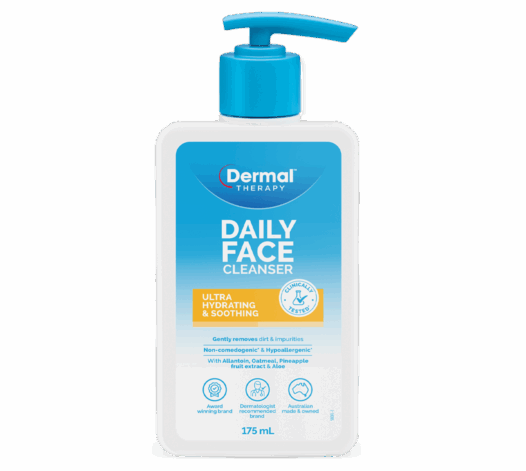
Dermal Therapy Very Dry Face Cleanser contains hyaluronic acid, urea, ceramides and colloidal oatmeal to cleanse while supporting dry or sensitive skin.
Next, focus on hydration and barrier repair. Glycerin and hyaluronic acid help attract water, ceramides support the barrier, and urea helps hydrate and soften dry, flaky areas.
Dermal Therapy Very Dry Face Cream brings these ingredients together in a lightweight formula for the face and neck. At night, Dermal Therapy Overnight Face Repair Cream can add extra comfort when skin feels particularly dry or depleted. I always suggest going to bed looking like a glazed chook!
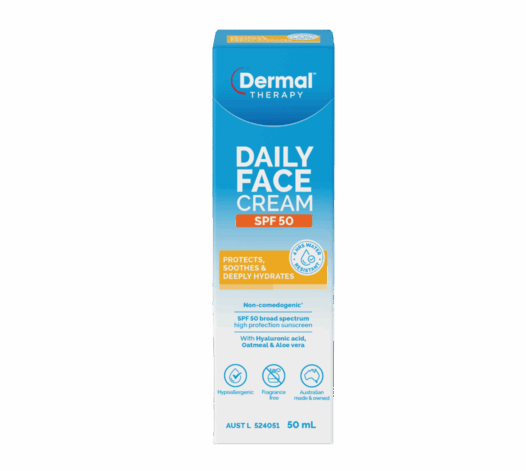
Daily SPF is non-negotiable. It helps protect against further pigmentation and collagen breakdown. Dermal Therapy Daily Face Cream SPF 50 combines broad-spectrum protection with hydrating and soothing ingredients and is designed to wear comfortably under makeup.
And please do not exfoliate your face into submission. If your skin is stinging, flushed or feeling shiny and tight, even flaky, step away from the scrub and strong acids. Your skin is actually craving nourishment. More exfoliation is not always more, particularly during menopause.
Makeup tips for menopausal skin
Good makeup starts with good skin preparation. Apply your moisturiser and SPF, then give them a moment to settle.
Choose a lightweight, luminous liquid foundation and build coverage only where you need it. Use a light-reflecting concealer sparingly and frankly ditch the powder unless you have areas/zones that genuinely become shiny.
Cream blush is one of my favourite makeup swaps for women over 40 because it melts into your skin and instantly brings your face back to life. Define your brows, use a tinted brow gel to keep them nice and fluffy, load up your mascara to bring instant wow and definition to your eyes, and use a forever eye crayon for extra polish.
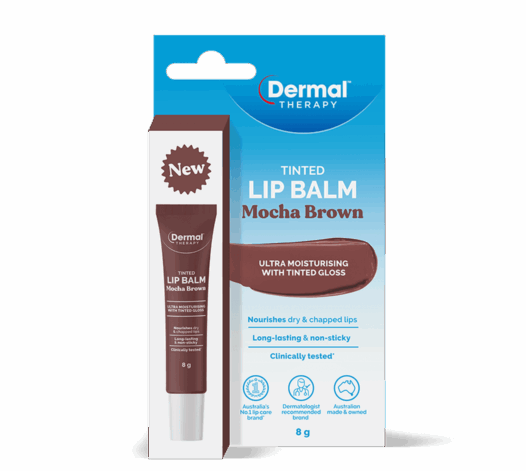
Finish with something nourishing on your lips. Dermal Therapy Tinted Lip Balm adds a soft wash of colour while soothing dry lips, helping them look smoother and more fabulous.
Your skin has not betrayed you. It has changed, because you have changed.
With gentle cleansing, serious hydration, barrier support, daily sun protection and makeup formulas that move with your skin, you can still look fresh, polished and completely like yourself.
Just with a little more glow, a little less powder and absolutely no apology. Now get out there and be amazing! Treat your skincare like a non-negotiable ritual, apply your make because it makes you feel something fabulous and go be your amazing self!
Menopause Skin FAQs